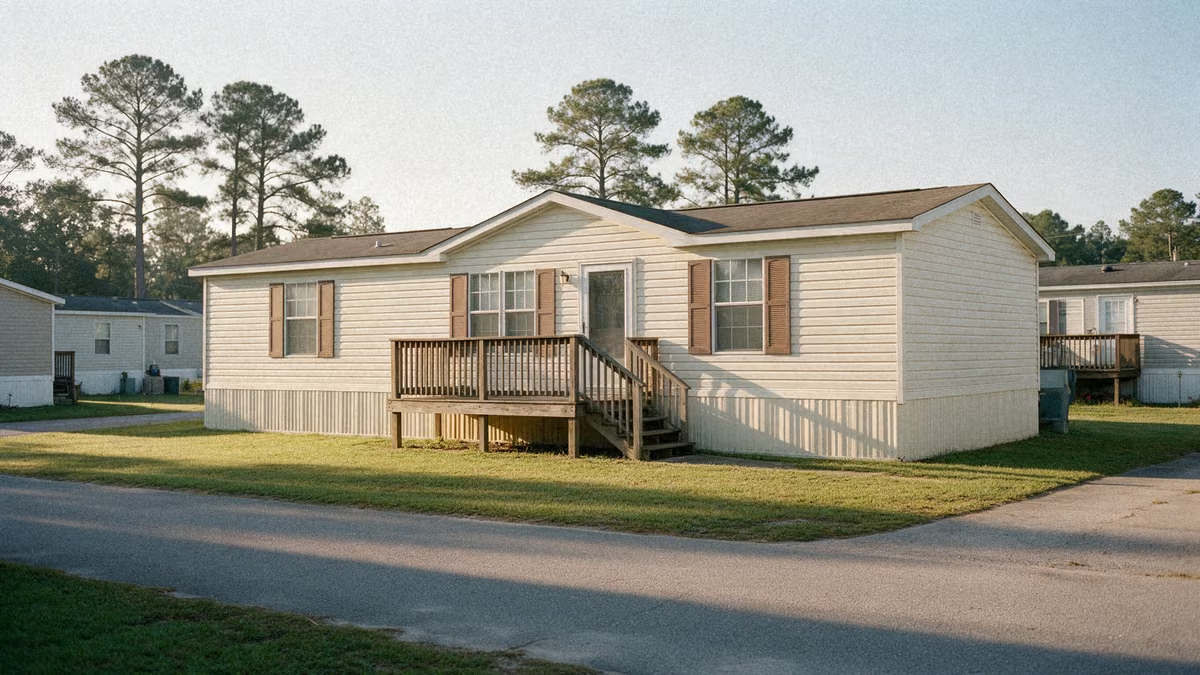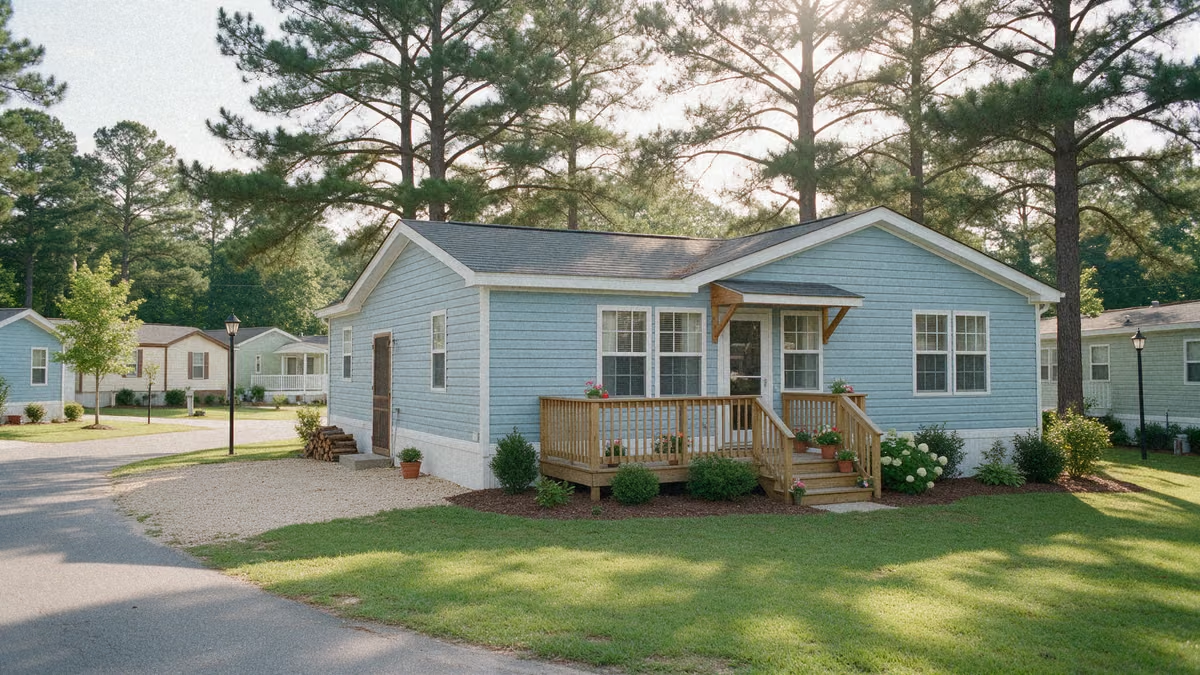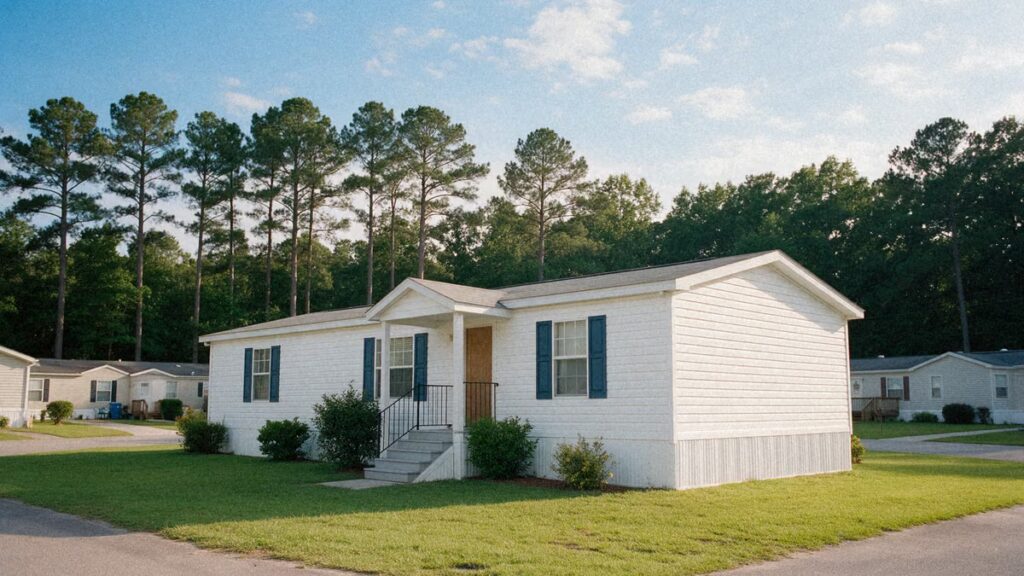
Your options for selling a mobile home in Georgia come down to a few routes. You can sell it yourself, list it with an agent, sell to a dealer or direct buyer, or sell it together with the land. Which one fits depends on the title, where the home sits, its condition, and how soon you need to sell.
Keeping the home, renting it out, or moving it first can also make sense, and for some owners one of those is the better call. This guide lays out each route, the Georgia steps every sale runs into, and how to choose.
One note on terms. This guide covers mobile and manufactured homes, which Georgia titles through the Department of Revenue. Modular homes belong to a different category. Georgia’s Department of Community Affairs says builders make them to state building codes, set them on a permanent foundation, and don’t title them through the Department of Revenue. So a modular home usually sells more like a site-built house.
Comparing your options for selling a mobile home
| Option | Often fits when | What to weigh |
|---|---|---|
| Sell it yourself | You have time, a clean title, and a home buyers can visit easily. | You handle pricing, showings, paperwork, and screening buyers. |
| List with an agent | The home shows well, buyers can finance it, and you can wait. | Agent pay and closing costs come out of the price. |
| Sell to a dealer or direct buyer | Speed, condition, a move, or a title question narrows the market. | The offer may run lower, so compare what you would keep. |
| Sell with the land | You own the land and want to sell both together. | The land side is a real estate sale, often with a closing attorney. |
| Keep or rent it | You don’t need to sell now. | Costs continue, and renting adds a landlord’s duties. |
None of these routes is right for every owner. The sections below explain what makes each one work.
What decides which route fits?
Five facts shape your choices more than anything else.
- The title. A clean title in your name keeps every route open. A missing title, a title in someone else’s name, or an open lien can rule some routes out until you fix it. Georgia Mobile Home Titles: What Sellers Need to Know covers the title side.
- Where the home sits. A home in a park, on land you own, or on someone else’s land each sells differently. A park may need to approve the buyer before the home can stay.
- Personal property or real estate. A home on its own title sells like a vehicle, with a title transfer. A home that counts as part of the land sells with the land.
- Condition and age. These decide how many buyers can get a loan, which shapes price and speed. What Is My Mobile Home Worth in Georgia? explains how value works.
- Your timeline. A sale that can wait months has more options than one that has to close soon.
Selling it yourself
An owner-led sale skips agent pay, but you take on the work an agent would do. That means setting a fair price, showing the home, answering questions, and handling the paperwork.
For a home on its own title, the transfer runs through the title record:
- Clear any lien first. A lender’s lien usually has to come off the title before a buyer can own the home free of it. How Liens Affect a Georgia Mobile Home Sale explains how that works.
- Put the terms in writing. Write down the price, what stays with the home, who pays which costs, and the closing date.
- Sign the title over to the buyer. Each section of a double-wide or triple-wide needs its own title application.
- The buyer applies for a new title. The buyer submits Georgia’s Form MV-1 with the signed title through the county tag office. The Department of Revenue charges an $18 title fee, plus a $10 penalty if the buyer applies more than 30 days after the purchase.
- The buyer gets a location permit. A buyer who gets the home after January 1 has until April 1 or 45 days after the purchase, whichever comes later.
Georgia’s tax commissioners can’t issue that yearly permit until the taxes due on the home have cleared. So unpaid taxes can stall a sale, even a private one.
Listing with a real estate agent
An agent can price the home against recent sales, market it, screen buyers, and negotiate for you. That help can pay off for a well-kept home with a clean title in a spot buyers want, if you have time to wait.
The cost comes out of the price. Agent pay and closing costs reduce what you keep, so compare a listing on net terms. Cash Offer vs. Listing Price: What You Would Actually Keep in Georgia walks through that math.
Some agents work mostly with site-built houses. Ask up front whether the agent handles mobile homes, homes in parks, or homes sold without land.
Selling to a dealer or direct buyer
A manufactured home retailer, a retail broker, or a direct buyer can take the home off your hands without a public listing. These buyers may take a home that needs work, or one that has to move, when the open market would struggle with it.
Georgia’s Office of Insurance and Safety Fire Commissioner licenses manufactured home retailers, retail brokers, and installers. You can search its list of licensed companies before you sign anything.
A direct offer may come in below a list price. That doesn’t make it a bad deal, but it does mean you should compare offers on what you would keep, not on the top number. Get every term in writing: the price, who pays which costs, any inspection conditions, and the closing date.
Selling with the land, or without it
If you own the land, you can often choose between selling the home with the land or selling the home alone.
Selling both together makes the land side a real estate sale, usually with a deed and a closing attorney. If someone filed a Certificate of Permanent Location (Form T-234), Georgia already treats the home as part of the land, so it sells with the land. T-234 Explained: When a Manufactured Home Becomes Real Property in Georgia covers what that filing changes.
Selling the home alone is simplest while it still has its own title. The buyer then has to move it or reach a deal with you to keep it on your land. If a T-234 was filed, ask a closing attorney before you try to separate the two.
In a park, you sell the home but not the lot. The buyer usually has to meet the park’s rules, sign a lease, and win the park’s approval to keep the home there.
Moving the home or keeping it
Some owners move a home before they sell it, or sell to a buyer who plans to move it. Moving costs money, and those costs come out of what a buyer will pay. Georgia’s Department of Community Affairs notes that HUD-licensed and certified installers have to install manufactured homes. A guide on moving a manufactured home in Georgia is in progress.
Keeping the home is a real option too. If the home still meets your needs, or a sale wouldn’t leave you with enough, waiting may be the better choice. Renting it out can bring in income, but it also brings a landlord’s duties and costs.
What every sale needs
- The title. One for each section, in the seller’s name, with any lien released.
- A payoff statement. Get one from any lender with a lien on the home.
- Your tax status. Bring your latest tax bill or receipt from the county tax commissioner.
- The data plate and HUD labels. These identify the home and its sections.
- A written bill of sale. List the price and the home’s serial numbers. DeKalb County, for example, asks a buyer for a bill of sale with the serial number when the buyer registers the home.
- Park paperwork. Bring the lot lease and the park’s written rules on resales and buyer approval.
- A deed or T-234 filing. You need it if the home sits on land you own.
Common delays and mistakes
- Starting a sale before you confirm the title is in your name. Can You Sell a Mobile Home in Georgia if the Title Is Not in Your Name? explains what to do first.
- Leaving property taxes unpaid, which can hold up the buyer’s location permit.
- Agreeing on a price before the park approves the buyer.
- Waiting on a lien release that you could have requested weeks earlier.
- Taking an offer by phone without the terms in writing.
- Pricing the home from the county tax value instead of recent sales.
How to choose among the options
Your options for selling a mobile home narrow quickly once you know three facts you can’t change fast: the title, the location, and the condition. Then weigh time and money.
- You have time and a home in good shape. Listing or selling it yourself may bring the highest price.
- The home needs work or has to move. A dealer or direct buyer may be the more practical route. Compare what you would keep.
- You own the land. Decide whether to sell both together or the home alone, and ask a closing attorney about the land side.
- A title, lien, or estate question is open. Sort that out first, with the county tag office or a Georgia attorney.
- You don’t need to sell. Keeping the home may cost less than selling it below what it’s worth to you.
Separate guides are in progress on selling without the land, cash buyers versus agents, how long a sale takes, what happens at closing, and the difference between mobile, manufactured, and modular homes.
When to contact an office or professional
- County tag office: what the title record shows, and what the buyer needs to retitle the home.
- County tax commissioner: taxes owed and the yearly location permit.
- Park manager: resale rules, buyer approval, and the lot lease.
- Real estate agent: recent sales and a realistic list price.
- Closing attorney: sales that include land or a home that counts as real property.
- Georgia attorney: disputed ownership, an estate, a divorce, or a co-owner disagreement.
If you’d rather talk it through first, you can also contact us.
If a direct sale is one of your options
If you’d like to see how a direct sale would compare with your other options, send us the details on your home and we’ll review the situation with you. A review isn’t an offer, and there’s no cost to ask. You can also read how the process works first.
Sources Reviewed
- Georgia Department of Revenue: Mobile Home Title
- Official Code of Georgia: O.C.G.A. § 48-5-492, Mobile Home Location Permits
- Georgia Department of Revenue: Rule 560-11-9-.04, Issuance of Permits; Display of Decals
- Official Code of Georgia: O.C.G.A. § 8-2-183.1, Certificate of Permanent Location
- Georgia Office of Insurance and Safety Fire Commissioner: Manufactured Housing
- Georgia Department of Community Affairs: Clarification on Industrialized/Modular Buildings and Manufactured Homes (October 1, 2025)
- DeKalb County Tax Commissioner: Mobile Homes (one county’s practice, cited as an example)
Last reviewed: November 3, 2026
This article gives general information about the ways to sell a mobile home in Georgia. Title, tax, park, and land rules depend on your documents and facts, so confirm your situation with your county offices, the park, or a qualified Georgia professional.