Four things shape what a Georgia mobile home is worth: its age, its size and layout, its condition, and where it sits. None of them sets a price by itself, and no formula turns them into an exact number. Two homes built the same year can sell for very different amounts if one is in good shape in a sought-after spot and the other needs repairs where buyers are scarce.
One caution up front: the value on your county tax bill is not a sale price. It is a tax valuation, and it is built for a different purpose. A broader guide to what a Georgia mobile home is worth, including the gap between a gross price and what you actually keep, is in progress. This article stays on the four factors.
What changes the answer?
- Whether the home was built to the federal standard. Homes built under the federal standards that took effect June 15, 1976 carry HUD labels. Older homes generally don’t.
- Whether the home is one section or several. Single-wide, double-wide, and larger layouts appeal to different buyers.
- What condition it’s in right now, including roof, floors, plumbing, wiring, and anything that affects safety or structure.
- Where it sits, and what the land situation is. Park, private land, and rural or town settings each draw different buyer groups.
- Whether the title is clean. A lien or an unclear ownership record can limit who can buy.
How does age affect value?
Age matters, but it is not a single number on a chart. HUD treats June 15, 1976 as a dividing line: every transportable section built in the U.S. after that date must carry a HUD label, and Georgia’s Office of Insurance and Safety Fire Commissioner oversees those labels for homes built in the state. You can find the build date and label numbers on the home’s data plate, a paper document usually kept near the electrical panel, in a kitchen cabinet, or in a bedroom closet. Double-Wide Titles, A/B Sides, and Serial Numbers in Georgia explains how to find them.
That date matters to buyers who need financing. Fannie Mae’s conventional mortgage rules, for example, require a home built to the 1976 federal standards, with a HUD data plate or a HUD label for each section. A home that doesn’t qualify may still sell, but to a smaller group of buyers, often those paying cash. Older homes are not automatically worth little, and the effect varies by condition, location, and demand.
How do size and layout affect value?
Size and layout often matter to buyers: how many sections the home has, how much finished living space, and how many bedrooms and bathrooms. Additions such as decks, porches, and carports can play a part too. Size also affects financing. Fannie Mae’s conventional rules, for instance, call for a home at least 12 feet wide with at least 400 square feet of finished area, which can rule out some narrower, smaller units. That is one lender’s standard for one kind of loan, and cash buyers may weigh size differently.
How does condition affect value?
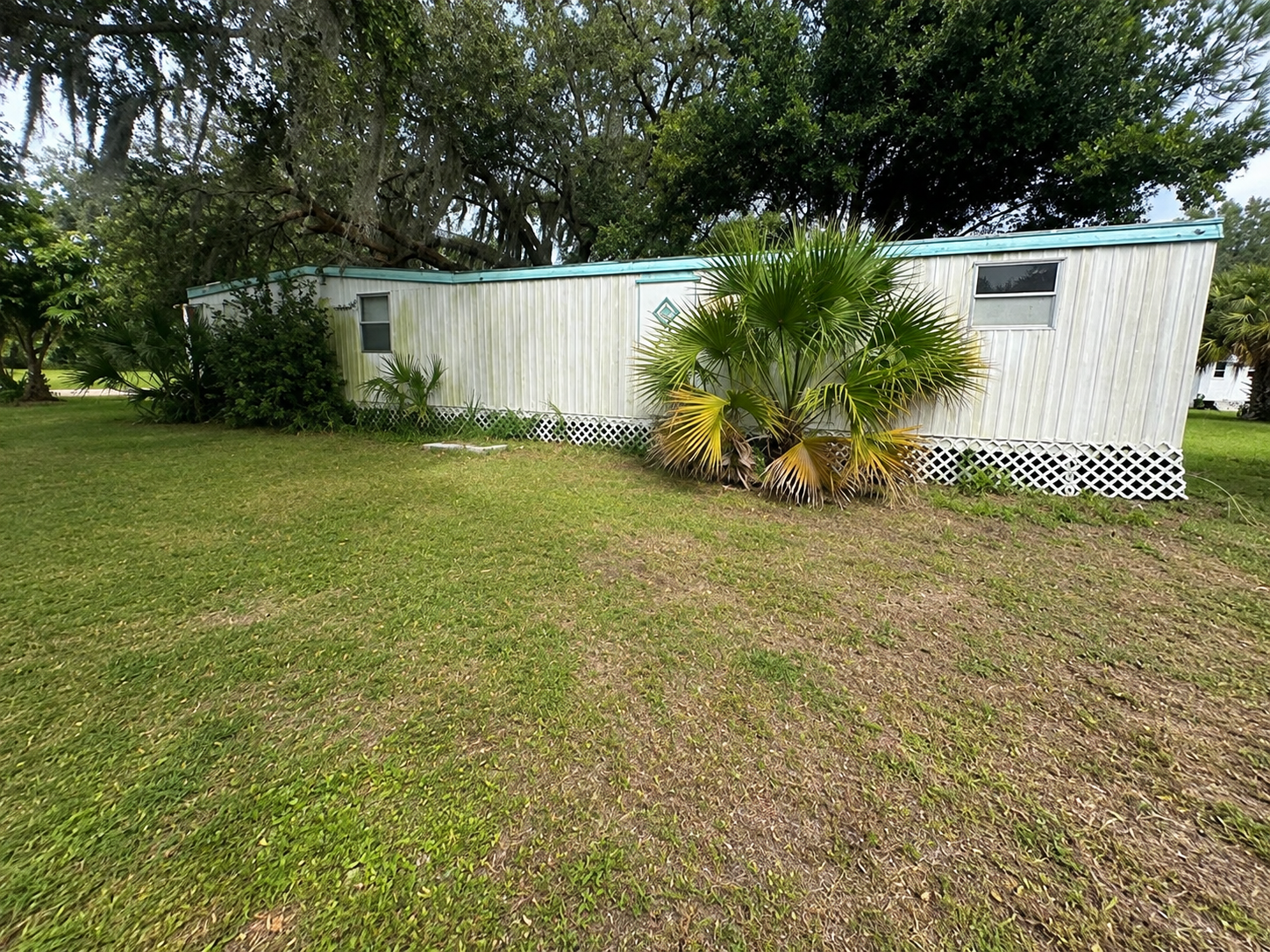
Condition is the factor an owner can see most clearly and a buyer will see most clearly too. Roof leaks, soft floors, water damage, outdated wiring or plumbing, and storm damage tend to pull value down, because the buyer takes on the repair cost and the risk. Fannie Mae’s guide says homes with defects or needed repairs that affect safety, soundness, or structural integrity are not eligible for a conventional loan until the work is done. That means a home needing major repairs may be limited to buyers who can pay cash or finance in another way.
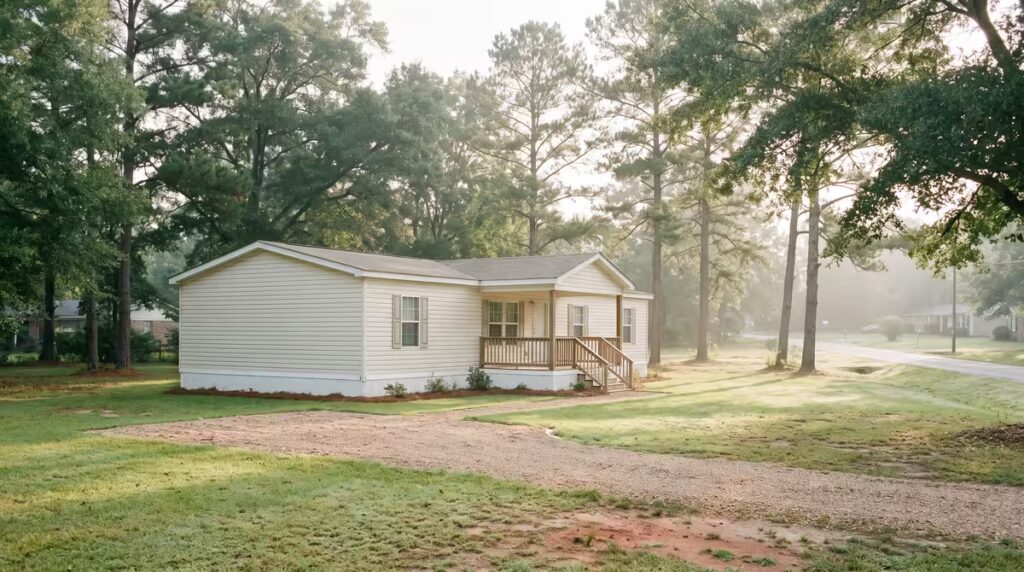
Cosmetic updates, a well-kept exterior, and working systems can help. Whether a given repair is worth making before a sale depends on the home and the buyer you expect, and a repair that decides whether a buyer can get a loan may matter more than a cosmetic one.
How does location affect value?
Location covers more than the county. It includes the neighborhood, how close the home is to jobs and services, road access, and whether the home sits in a park or on land the owner holds. A home in a park may depend on the park’s rules and lot rent, and the buyer may need the park’s approval. A home on private land may be sold with the land, which changes what is being priced. If a Certificate of Permanent Location (Form T-234) was ever filed, the home may already be treated as part of the real estate, and a guide to how that works is in progress. Whether the home can realistically be moved is another question, and moving costs can affect what a buyer will pay.
What your county tax value does and doesn’t tell you
In Georgia, the county board of tax assessors determines the fair market value of a mobile home for tax purposes. Under the state’s rules, assessors may use the NADA Manufactured Housing Appraisal Guide, the Marshall & Swift valuation system, or other accepted appraisal methods. Each home is then assessed at 40 percent of that value as of January 1 of the tax year. Counties handle billing and deadlines themselves. One county tax commissioner, for example, tells owners to make sure taxes are paid before a home is transferred or moved, so ask your own county what applies.
That figure can be a useful reference point, but it is an estimate made for taxation, as of one date, and it does not account for what a buyer will pay on a given day. Treat it as one data point, not an offer or a price.
What to gather or check
- The year built and the HUD label numbers, from the data plate or the labels on each section
- The home’s dimensions, number of sections, and finished square footage
- A written list of repairs you know about, plus any storm or water damage
- Your most recent county tax bill and assessment notice
- Whether the title is in your name and whether a lien is recorded
- Photos, inside and out, taken in daylight
Common mistakes or delays
- Using the county tax value as the asking price or expecting a buyer to match it.
- Comparing the home to site-built houses nearby instead of to other mobile homes.
- Assuming age alone decides the price, when condition and location may count for more.
- Overlooking a missing data plate or HUD label that a buyer’s lender will ask for.
- Listing before the title and lien question is settled.
Your realistic options
Knowing the factors helps you ask better questions. A licensed real estate agent can compare your home with recent sales of similar homes. A licensed appraiser can give you a formal opinion of value. Listing the home, keeping it, or making repairs first may each be the better move, depending on your timeline and budget. A direct buyer is another route. A comparison of a cash offer and a listing price, including what you would likely keep after costs, is in progress.
When to contact an office or professional
Your county tax assessor’s office can explain how your home was valued for tax purposes and how to appeal an assessment. A licensed real estate agent can price the home against current local sales, and a licensed appraiser can provide a formal valuation. If a title or lien question is in the way, your county tag office can confirm what is on record. If you’d rather talk through your situation first, you can also contact us.
If you want a direct-sale review
If you’d like to see what a direct sale could look like for your home, send the details and we’ll review the situation with you. A review isn’t an offer, and there’s no cost to ask.
Sources Reviewed
- Georgia Department of Revenue: Rule 560-11-9-.07, Valuation Methods
- Georgia Office of Insurance and Safety Fire Commissioner: Manufactured Housing
- U.S. Department of Housing and Urban Development: Manufactured Housing HUD Labels (Tags)
- Fannie Mae: Selling Guide B2-3-02, Special Property Eligibility: Factory-Built Housing
- Bryan County, Georgia Tax Commissioner: Property Taxes (one county’s practice, cited as an example)
This article gives general information about what affects value. It is not an appraisal and does not estimate what your home would sell for. Lender rules, county practices, and market conditions change, so confirm specifics with a licensed appraiser, real estate agent, or your county offices.